
For a single slow sink or shower, start with the simple fixes: clean the strainer or trap, use a plunger, then hot water or a drain snake. Skip harsh chemical cleaners. If more than one fixture is slow, the toilet gurgles, or water comes up through the gully outside, the blockage is in the main drain and needs a plumber.
First, work out where the blockage is
Where the water backs up tells you a lot about where the blockage sits, and whether it’s a job you can tackle yourself.
| Symptom | Likely location | DIY or plumber? |
|---|---|---|
| One sink, basin or shower is slow | In that fixture’s trap or branch pipe | Try DIY first |
| Several fixtures are slow at once | In the main drain the fixtures share | Plumber |
| The toilet gurgles or rises when the sink or shower drains | In the main drain, downstream of both | Plumber |
| Water or sewage is coming out of the grated gully outside | In the main sewer line | Plumber, promptly |
| Bad smells along with slow drains | Partial blockage or a problem with the drain itself | Plumber |
If you’re seeing any of the plumber signs, stop using water in the house as much as you can. Every flush and shower adds to what’s backing up.
Safe DIY methods
Clear the strainer and hair
Start with the obvious. Lift out the plug or strainer and clean off hair, soap and food scraps. In showers, remove the grate and pull out what you can reach with gloved fingers or a cheap plastic drain claw. This fixes a surprising number of slow showers.
Use a plunger properly
A plunger works by pushing and pulling water, so it needs a seal.
- Leave a few centimetres of water in the sink or shower so the cup is covered.
- Block any overflow hole with a wet cloth, and in a double sink, plug the other bowl.
- Push down gently to push out the air, then plunge firmly up and down 15 to 20 times.
- Pull up sharply and see if the water drains. Repeat a few times.
Hot water for kitchen grease
Kitchen sink blockages are often fat and grease that has set in the pipe. A kettle of hot water, poured slowly, can soften it. Use hot rather than boiling water if you have plastic pipes or a porcelain basin, and never pour hot water into a sink full of chemical cleaner.
Bicarb and vinegar
Bicarb soda followed by vinegar fizzes and can help freshen a drain or loosen a light build-up. It won’t clear a solid blockage, so treat it as maintenance rather than a fix.
A hand drain snake
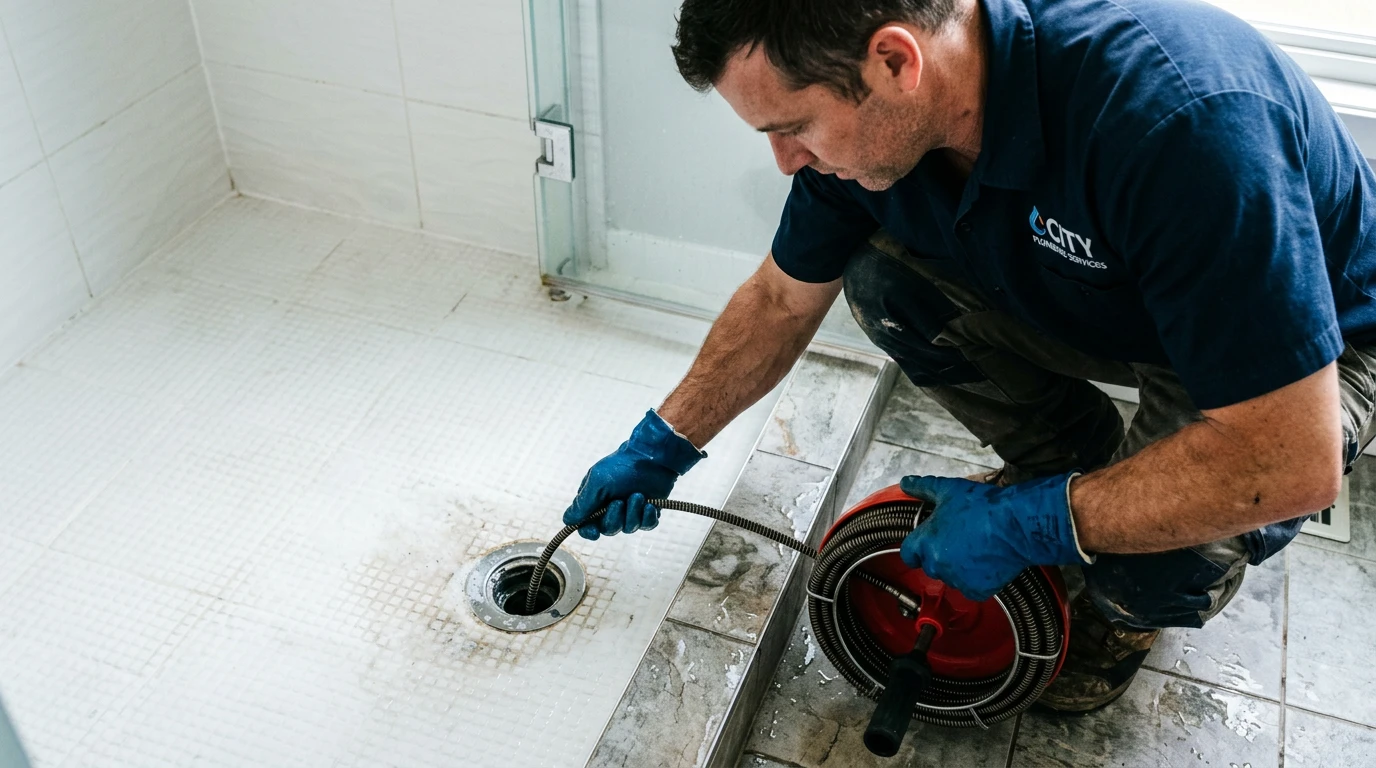
A cheap hand drain snake (auger) from a hardware store can reach 1 to 2 metres into a shower or basin waste to pull out hair or break up soap. Feed it in slowly, turn the handle when you feel resistance, then pull it back out.
What not to do
- Caustic chemical drain cleaners. They rarely shift a solid blockage, can damage older pipes and seals, and can splash back and burn. If they don’t work, the plumber then has to deal with a pipe full of chemicals.
- Mixing products. Some cleaners react dangerously with each other or with bleach.
- Taking pipework apart. In Queensland, homeowners can clean ground-level grates and replace inspection opening caps, but dismantling drainage is regulated plumbing work under the QBCC’s rules. A trap put back badly can leak or let sewer gas in.
Need a local plumber?
Morrisons Maintenance Plumbing has served Caloundra to Maroochydore for 14+ years. Book a plumber or call 1300 149 288.
Common causes on the Sunshine Coast
- Fat, oil and food scraps in kitchen sinks, which set hard in cooler pipes.
- Wet wipes and sanitary products flushed down toilets. “Flushable” wipes don’t break down like toilet paper.
- Hair and soap in showers and basins.
- Tree roots getting into older clay sewer pipes through cracks and joints, a common problem in established suburbs.
- Sand and leaves in showers and outdoor drains, especially in homes near the beach.
How plumbers clear blocked drains
When DIY doesn’t work, a plumber has tools that reach and clear the whole line:
- Electric drain machine (eel). A motorised cable with cutting heads that breaks through blockages and roots.
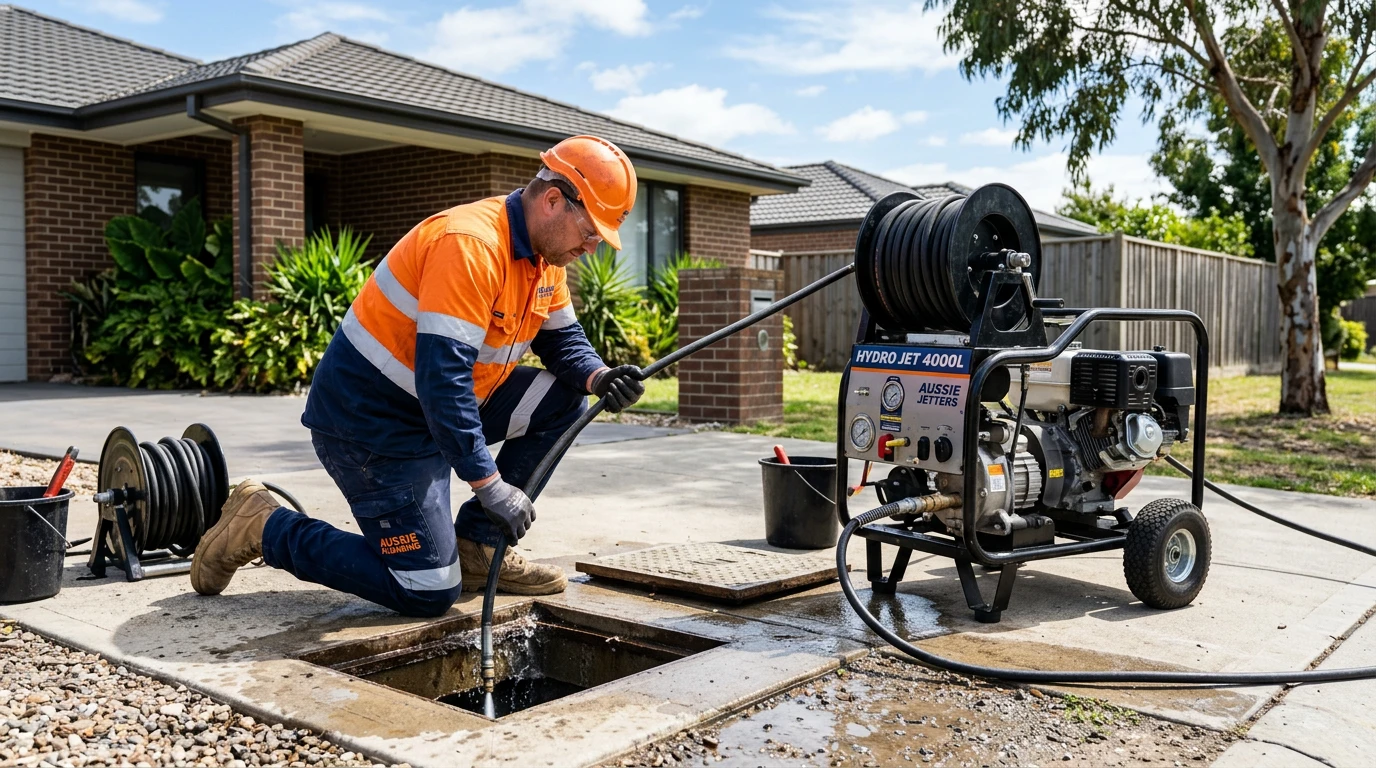
- High-pressure water jetter. Blasts water through the pipe to flush out grease, sludge and debris, leaving the walls clean.
- CCTV camera inspection. A small camera fed down the drain shows exactly what’s causing the problem, such as roots, a collapsed pipe or a dip where waste collects. It’s the best way to stop repeat blockages.
See our blocked drains service for how we clear drains across the Coast.
Preventing blockages
- Wipe greasy pans into the bin before washing up, and never pour fat down the sink.
- Only flush the three Ps: pee, poo and toilet paper.
- Fit strainers in kitchen sinks and hair catchers in showers.
- Run hot water through the kitchen sink regularly.
- Rinse sand off at an outdoor shower or tap before coming inside.
If sewage is overflowing or several fixtures have stopped draining, call our emergency plumber line. For Caloundra and nearby suburbs, see plumber services in Caloundra.
Frequently asked questions
How do I unblock a drain myself?
Start by removing and cleaning the strainer, then use a plunger with a tight seal over the drain. For kitchen sinks, hot water can shift grease. A hand drain snake can reach hair and soap build-up in showers. If none of that works within a few tries, stop and call a plumber.
Are chemical drain cleaners safe to use?
It’s best to avoid them. Caustic cleaners can damage older pipes and seals, rarely clear a solid blockage, and are dangerous if they splash back or mix with other products. They also make the job riskier for the plumber if the drain is still full of chemicals.
How do I know if the main drain is blocked?
Warning signs include several fixtures draining slowly at once, the toilet gurgling or rising when you use the sink or shower, sewage smells, and water overflowing from the overflow relief gully outside. These mean the blockage is in the main line and needs a plumber.
What causes blocked drains?
The usual causes are fat and food scraps in kitchen sinks, hair and soap in showers, wet wipes and sanitary products in toilets, and tree roots getting into older clay sewer pipes. Sand and leaves can also block outdoor and shower drains in coastal homes.
How do plumbers unblock drains?
Plumbers use an electric drain machine to cut through blockages and a high-pressure water jetter to flush the pipe clean. For recurring blockages, a CCTV camera inspection shows exactly what’s causing the problem, such as tree roots or a broken pipe.
Honest, upfront pricing from a local, family-owned plumber.
Call 1300 149 288 or request a quote. QBCC licence 1296541.