
In Queensland, a landlord can only pass water consumption charges to a tenant if the rental is individually metered and water efficient. That means internal cold taps and showerheads flow at no more than 9 litres a minute and toilets are dual flush (6.5 L full, 3.5 L half). A plumber’s check and certificate is the simplest way to prove it.
The rule in plain English
Under Queensland tenancy law, the owner pays for water unless three things are true:
- The property is individually metered, so the tenant’s use can be measured on its own.
- The property is water efficient, meeting the standards for taps, showerheads and toilets set out below.
- The tenancy agreement says the tenant pays for water consumption.
Even then, the tenant only pays for the water they use. Sewerage charges and the fixed water access charge stay with the owner. The Residential Tenancies Authority’s water charging page sets out the full rules.
Bringing a property up to standard is usually a small job: most failures are fixed with a new showerhead, a tap aerator or a cistern upgrade.
What counts as water efficient
| Fixture | Requirement | Notes |
|---|---|---|
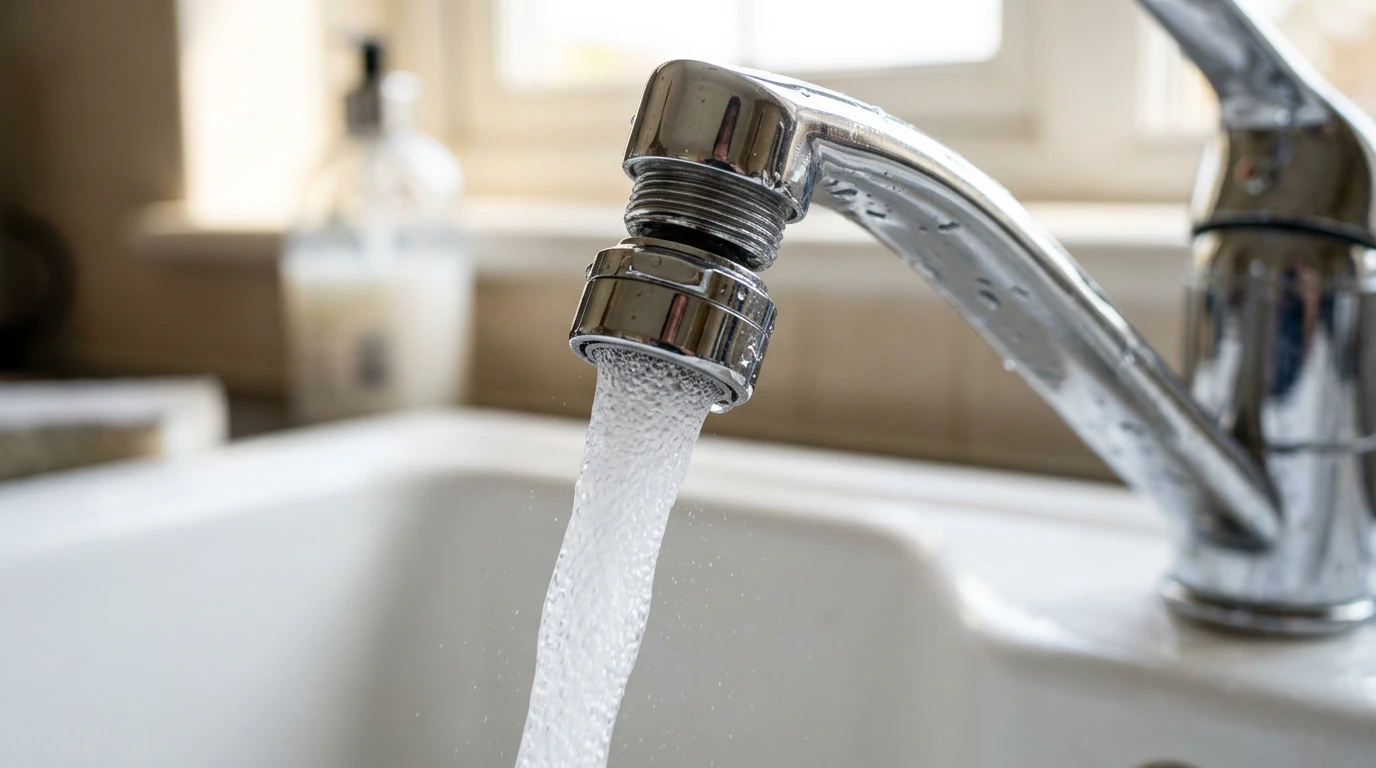
| Internal cold water taps over basins, kitchen sinks and laundry tubs | Maximum flow of 9 litres a minute | Usually met with a compliant aerator or tap |
| Showerheads | Maximum flow of 9 litres a minute | A WELS 3-star showerhead or better generally complies |
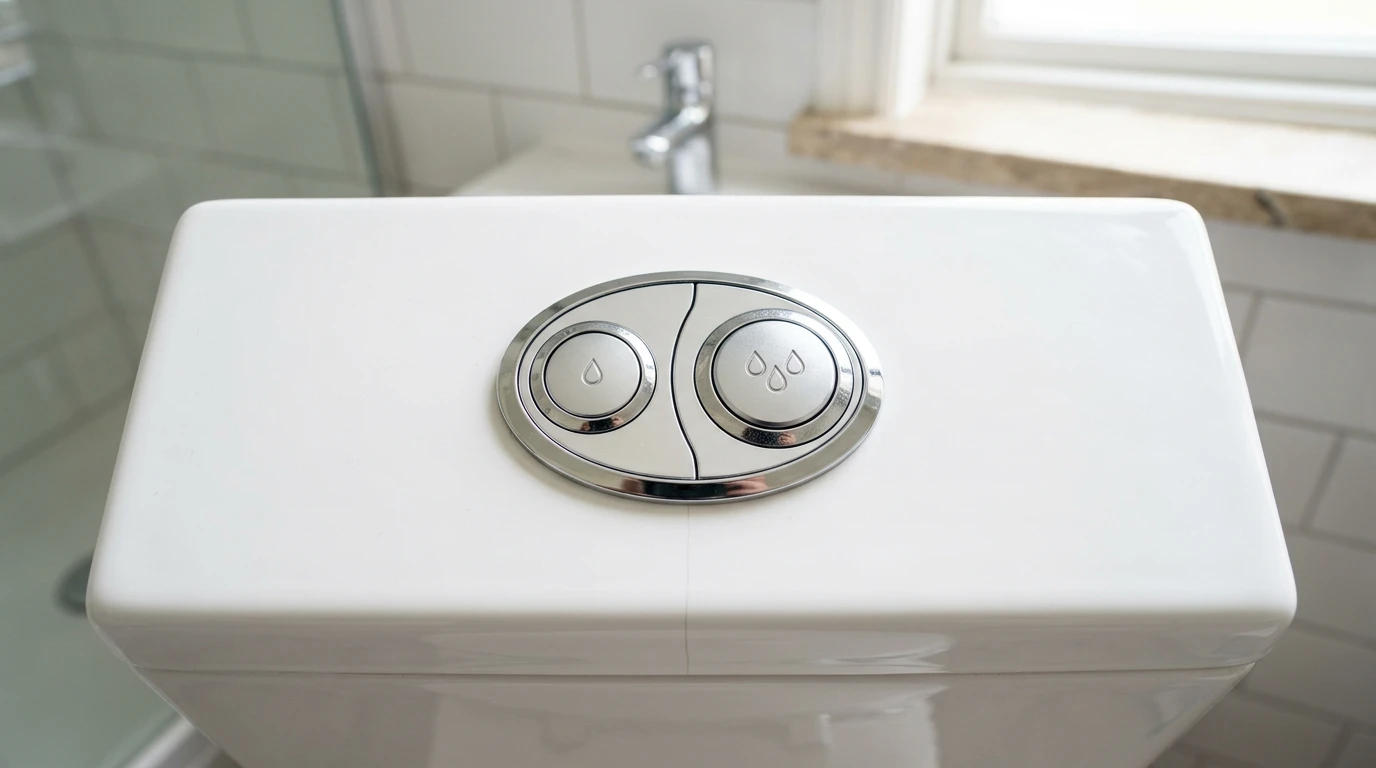
| Toilets | Dual flush, no more than 6.5 L on full flush and 3.5 L on half flush | Older single-flush toilets don’t comply |
| Bath taps, garden taps, appliance taps | Not included | Washing machine and dishwasher taps are excluded |
Fixtures bought since 2005 carry a WELS rating label, and a WELS 3-star rating or better for taps and showerheads is generally accepted as meeting the standard.
How to prove it
The law requires the property to be water efficient. It doesn’t require a particular form. But if a tenant disputes a water bill, the landlord has to be able to show the property complies. Useful evidence includes:
- WELS labels, packaging or product manuals for the fixtures
- receipts or invoices showing the model numbers installed
- a report or certificate from a licensed plumber who has tested each fixture
The plumber’s report is the easiest to rely on, because it records the measured flow rates and toilet types at a date in time, rather than relying on paperwork that may not match what’s actually installed.
Managing rentals?
We do water efficiency checks and certificates for landlords and real estate offices across the Sunshine Coast. Book a check or call 1300 149 288.
What a water efficiency check involves
A typical check for a house or unit covers:
- Flow testing every relevant tap and showerhead with a measuring container or flow meter, recording the litres per minute.
- Checking each toilet is dual flush and within the flush volume limits.
- Looking for leaks, such as dripping taps, running cisterns or signs of a hidden leak on the meter.
- Fitting compliant parts on the spot where a fixture fails, such as a water-efficient showerhead or tap aerator, so the property can pass the same day.
- Issuing a written report or certificate listing each fixture and its result.
Because much of the fix is simple parts, a property that fails often doesn’t need a second visit.
Common reasons a property fails
- Old showerheads. High-flow heads from before 2005, or “rain” heads that use far more than 9 litres a minute.
- Missing or removed aerators. A kitchen or basin mixer without its aerator can flow well above the limit.
- Single-flush toilets. Common in older homes and units. The cistern or the whole suite needs replacing.
- Leaking cisterns and dripping taps. Not a flow-rate failure, but they waste water the tenant ends up paying for, which leads to disputes.
For property managers
If you manage a portfolio, the easiest approach is to check properties at a natural break:
- At the start of a new tenancy, before the agreement is signed, so the water clause is backed by evidence.
- After renovations or fixture changes, since a new tap or showerhead may not match the old report.
- When a tenant queries a bill, starting with a leak check.
Keep the report on the property file with the entry condition report. A consistent plumber who knows your properties also makes it faster to handle tap repairs and leak detection when tenants report problems.
Leaks and tenant disputes
A leaking toilet or a hidden leak under the slab can add thousands of litres to a bill. Tenants are responsible for the water they use, but a leak caused by a faulty fixture is a repair issue for the owner, and disputes over high bills are common. Fixing leaks promptly and keeping records of repairs protects both sides.
If you have rentals in Caloundra or elsewhere on the Coast, our plumber services in Caloundra page covers the area. For a water efficiency check, contact us with the property addresses and we’ll arrange access with the tenant or agent.
Frequently asked questions
Can a landlord charge tenants for water in Queensland?
Yes, for water consumption only, if the property is individually metered and meets the water efficiency standards. Landlords can’t pass on sewerage or fixed water access charges, and the tenancy agreement must say the tenant pays for water.
What makes a rental water efficient in Queensland?
Internal cold water taps over basins, kitchen sinks and laundry tubs, and all showerheads, must flow at no more than 9 litres a minute. Toilets must be dual flush with no more than 6.5 litres on full flush and 3.5 litres on half flush.
Do I need a water efficiency certificate?
The law requires the property to be water efficient, not a specific certificate. But you need to be able to prove it if a tenant disputes a water bill, and a licensed plumber’s report or certificate is the clearest evidence alongside WELS labels and receipts.
Which taps don't need to be water efficient?
Bath taps, outdoor garden taps and taps that supply appliances such as washing machines and dishwashers don’t need to meet the 9-litre flow rate.
How long does a water efficiency check take?
For a typical house or unit, a plumber can usually flow-test the taps and showers, check the toilets and look for leaks in a single visit. Non-compliant showerheads or aerators can often be replaced on the spot so the property passes the same day.
Honest, upfront pricing from a local, family-owned plumber.
Call 1300 149 288 or request a quote. QBCC licence 1296541.