
Most hot water systems last about 8 to 15 years. Electric and gas storage tanks usually sit at the lower end, while solar and heat pump systems can run longer with servicing. Rusty water, leaks around the tank, rumbling noises and running out of hot water sooner are the signs a system is near the end.
Typical lifespan by type
These are typical ranges, not guarantees. Water quality, pressure, installation and maintenance all shift them, and so does the manufacturer’s warranty on the tank.
| Type | Typical life | What usually wears out first |
|---|---|---|
| Electric storage | About 8 to 12 years | The tank corrodes once the anode is used up; elements and thermostats fail earlier but can be replaced |
| Gas storage | About 8 to 12 years | Tank corrosion; burners, pilot assemblies and thermocouples |
| Gas continuous flow | Often 10 to 15+ years | Heat exchanger and electronic components; no tank to rust out |
| Solar | Often 10 to 15+ years | Tank, pumps, valves and the booster element; collectors can outlast the tank |
| Heat pump | Often 10 to 15 years | Compressor, fan and electronics, as well as the tank |
What shortens a system’s life
- Hard water and sediment. Minerals settle in the bottom of the tank, making it work harder and speeding up corrosion.
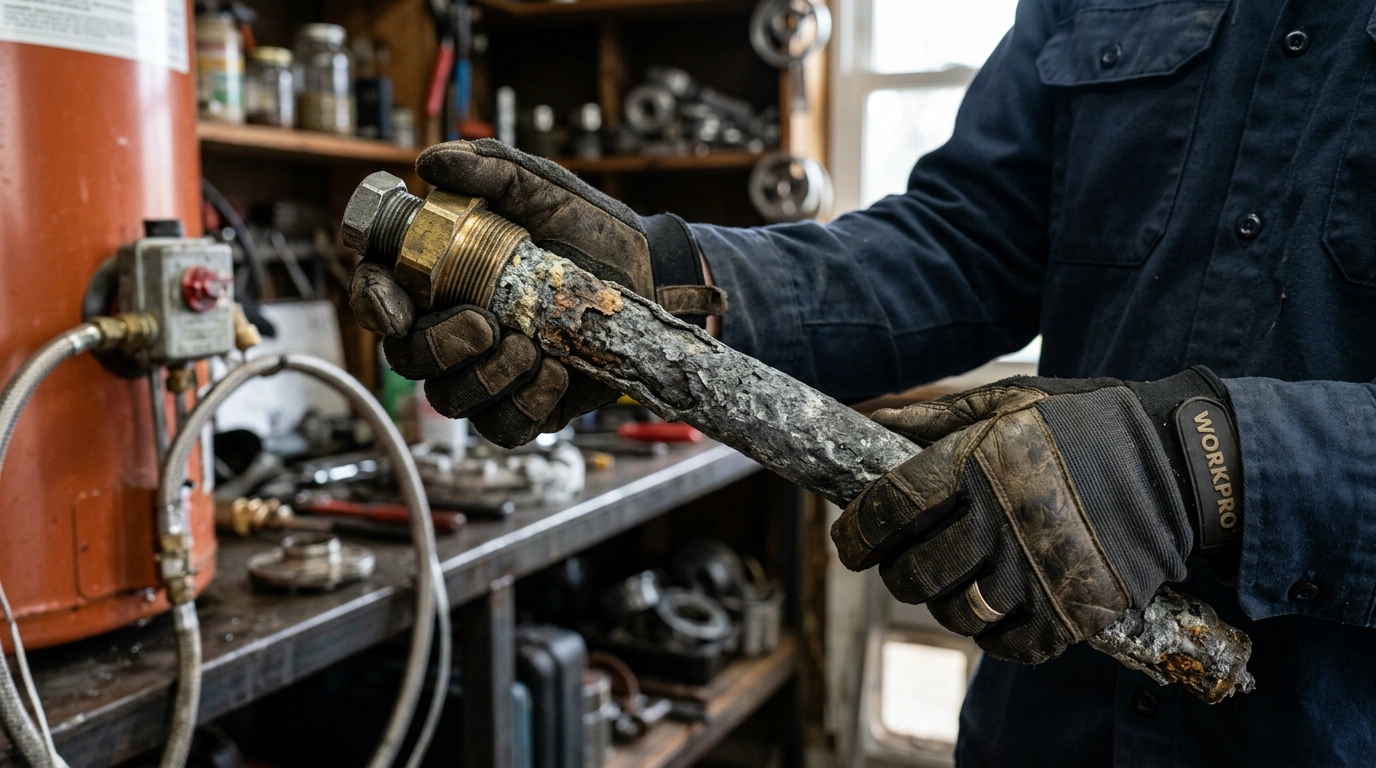
- A spent anode. Storage tanks have a sacrificial anode rod that corrodes instead of the tank. Once it’s gone, the tank itself starts to rust.
- High water pressure. Pressure above the plumbing limit strains the tank, valves and fittings every day.
- Coastal salt air. Outdoor units and fittings close to the beach corrode faster.
- An undersized system that runs flat out every day wears faster than one sized to the household.
Warning signs it’s failing
- Rusty or discoloured hot water, especially from the hot tap only.
- Water around the base of the tank or a steady flow from the relief valve drain.
- Rumbling, popping or banging as sediment boils in the bottom of the tank.
- Running out of hot water sooner than it used to.
- Water that’s only lukewarm, even after the system has had time to heat.
- The system tripping the power when it heats.
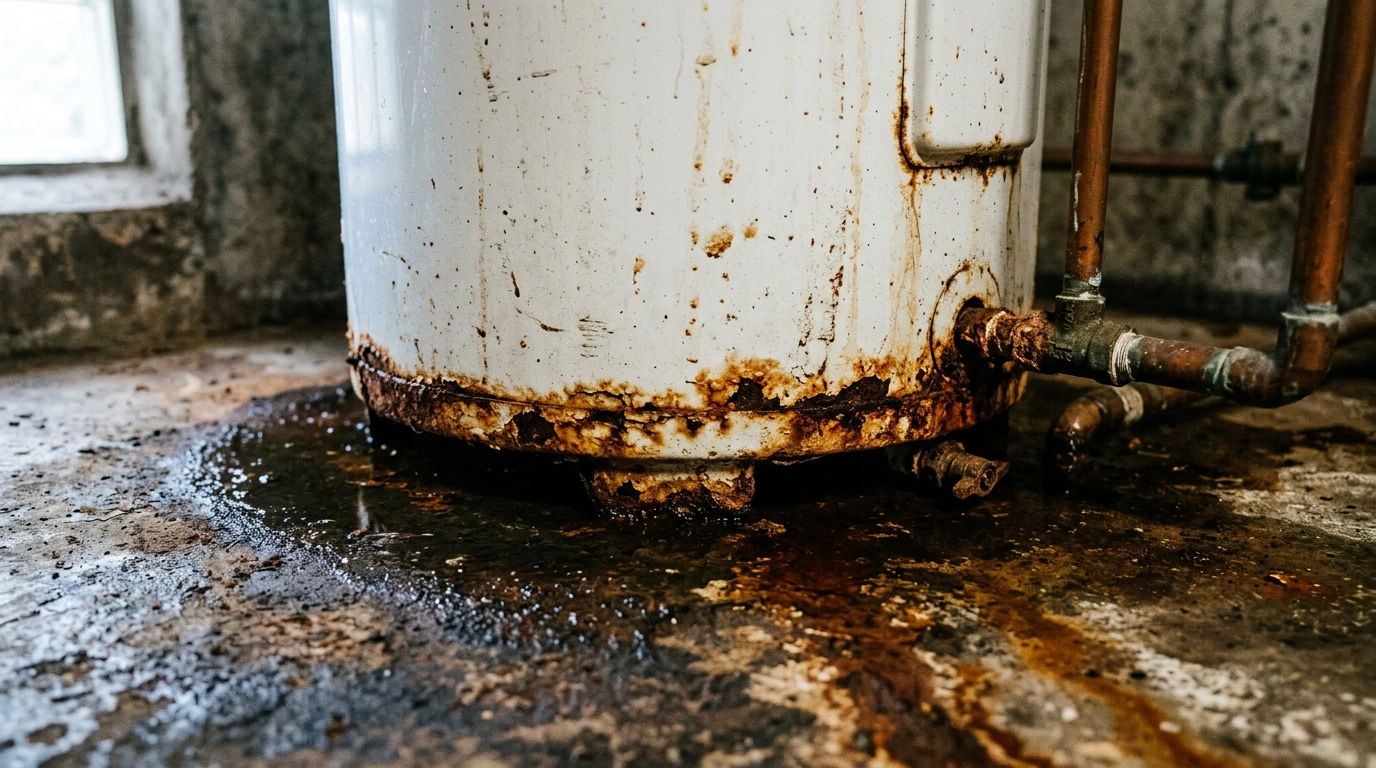
A tank leaking from its body can’t be repaired. If you find water pooling under your system, our guide to a leaking hot water system explains what to do right away.
No hot water? Quick checks first
Before you assume the system has died, check the simple things:
- Power or gas. Is the circuit breaker for the hot water on? Is the gas supply turned on at the unit and the bottle not empty?
- Pilot light. On older gas storage units, check whether the pilot has gone out. Follow the relighting instructions on the unit.
- Safety switch. If the safety switch has tripped, reset it once. If it trips again, leave it off and call a licensed plumber or electrician, as it can mean a failed element or wiring fault.
- Off-peak timing. Electric systems on an off-peak tariff only heat at set times. If the household has used a lot of hot water, it may simply have run out until the next heating period.
If none of these explain it, it’s time to call a plumber.
Need a local plumber?
Morrisons Maintenance Plumbing has served Caloundra to Maroochydore for 14+ years. Book a plumber or call 1300 149 288.
Maintenance that adds years
A little maintenance goes a long way:
- Ease the relief valve every six months by gently lifting the lever for a few seconds, then letting it snap back. It stops the valve seizing. Stand clear of the drain line, as the water is hot.
- Have the anode checked around the five-year mark, and replaced if it’s worn. It’s one of the cheapest ways to extend a tank’s life.
- Service the tempering valve, which most manufacturers recommend about every five years.
- Keep water pressure within limits, with a pressure limiting valve if needed.
Repair or replace?
- Repair if the system is relatively young and the fault is a part: an element, thermostat, relief valve, pilot assembly or tempering valve.
- Replace if the tank itself is leaking, if the system is over about 10 years old and needs an expensive part, or if you’re repairing it repeatedly.
- Think about switching type when you replace. A heat pump or solar system costs more up front but can cut running costs. Our guides to hot water system cost and heat pump vs solar vs electric compare the options.
Planning a replacement before the old system fails means you can choose the right system without a cold-shower deadline. See our hot water system services or book a hot water check.
Frequently asked questions
How long does a hot water system last in Australia?
Most last about 8 to 15 years. Electric and gas storage tanks typically last 8 to 12 years, while solar and heat pump systems can last 10 to 15 years or more with regular servicing. Water quality, pressure and maintenance make a big difference.
What are the signs a hot water system is about to fail?
Watch for rusty or discoloured hot water, water pooling around the tank, rumbling or popping noises, hot water running out sooner than it used to, and water that is only lukewarm. A tank that is leaking from the body usually needs replacing.
Why do I have no hot water?
Check that the power or gas is on, the pilot light is lit on a gas unit, and the circuit breaker or safety switch hasn’t tripped. Off-peak electric systems may simply have run out until the next heating period. If the power trips again when reset, call a licensed plumber or electrician.
Can you extend the life of a hot water system?
Yes. Lifting the relief valve lever gently every six months, having the anode checked around the five-year mark, and servicing the tempering valve all help. Keeping water pressure within limits also reduces strain on the tank.
Should I repair or replace my hot water system?
Repairs to valves, thermostats and elements are often worthwhile on a younger system. If the tank itself is leaking, or the system is over 10 years old and needs an expensive part, replacing it is usually better value.
Honest, upfront pricing from a local, family-owned plumber.
Call 1300 149 288 or request a quote. QBCC licence 1296541.